Tracing deposit channel influences on tier ascents within portable systems merging reel sequences, dealer sessions, and athletic forecasts
Vera Flores · Jun 19, 2026
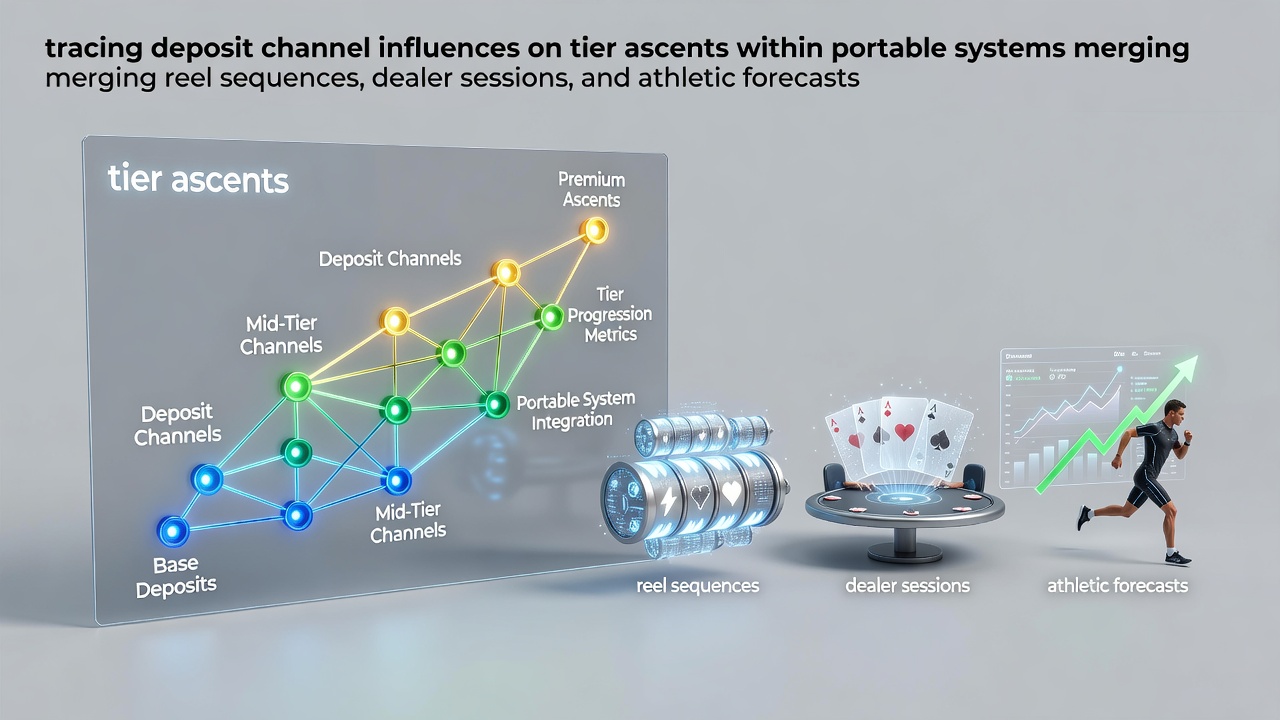
Tracing deposit channel influences on tier ascents within portable systems merging reel sequences, dealer sessions, and athletic forecasts
Portable systems that combine automated reel sequences with live dealer sessions and athletic forecasts have developed structured loyalty frameworks where deposit channels directly shape how users advance through tier levels, and researchers tracking these patterns note that transaction speed along with method type often determines the rate of point accumulation across integrated platforms.
Core Mechanics of Deposit-Driven Tier Progression
Deposit channels such as bank transfers, digital wallets, and card networks feed into recognition structures that award status points at varying multipliers depending on the funding source selected within the application, while data from multiple jurisdictions shows that certain methods trigger immediate credit toward higher tiers because they reduce processing latency and align with platform algorithms designed to reward seamless inflows.
Those who monitor user behavior across combined entertainment modules report that reel sequence activity, dealer table participation, and event-based wagers all draw from a shared point pool, so the initial deposit method sets the velocity at which accumulated activity converts into elevated recognition levels, and observers note that platforms frequently adjust these conversion rates based on seasonal volume metrics recorded through June 2026.
Integration Patterns Across Reel, Dealer, and Forecast Modules
Applications hosting all three categories maintain unified ledgers where deposits made through accelerated channels receive bonus recognition when users transition between mechanical spins and live sessions or place forecasts on athletic outcomes, and studies compiled by regional gaming authorities indicate that this cross-module linkage encourages sustained engagement because points earned in one area carry forward without reset when users switch interfaces.
According to figures released by the Nevada Gaming Control Board, mobile platforms integrating these features recorded measurable increases in tier upgrades during periods when deposit options expanded to include instant verification protocols, while similar patterns appear in reports from Australian state regulators tracking comparable systems that merge chance-based sequences with broadcast dealer interactions and prediction markets.
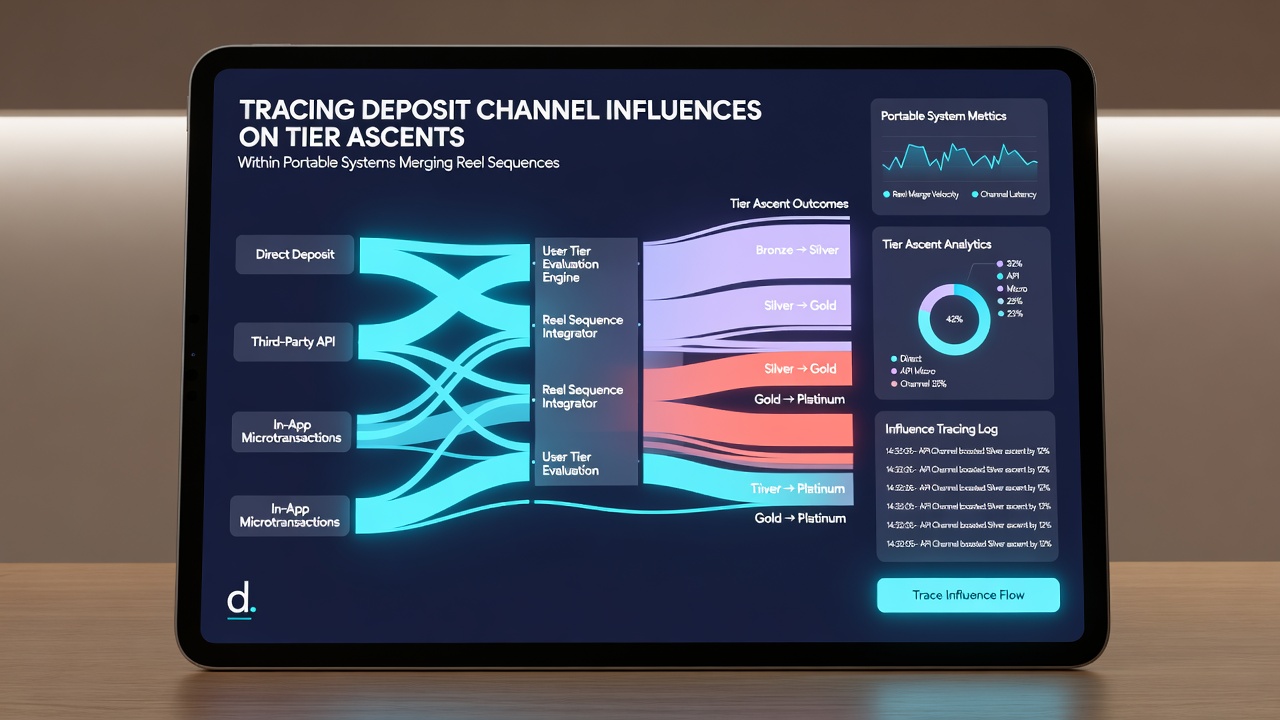
Regional Data and Transaction Pathway Analysis
Canadian provincial oversight bodies have documented that deposit channels utilizing real-time settlement reduce the interval between funding and tier elevation by measurable margins compared with traditional card routes, and this acceleration matters because users who reach higher tiers gain access to differentiated reward structures that span reel bonuses, dealer comps, and enhanced odds on athletic forecasts.
What's interesting is how the same deposit event can simultaneously satisfy requirements for multiple modules, allowing a single inflow to influence status calculations across automated reels, strategy tables, and live prediction interfaces without requiring separate transactions, and research from European academic centers focused on digital gambling systems confirms that such unified pathways correlate with higher retention rates when tracked over quarterly periods ending in June 2026.
Operational Adjustments Observed Through Mid-2026
Platform operators have responded to these dynamics by refining how deposit verification interacts with tier algorithms, and evidence from industry association summaries shows that applications emphasizing portable compatibility introduced tier multipliers tied specifically to channel reliability during the first half of 2026.
Users advancing through these systems often discover that consistent selection of low-latency deposit options compounds recognition faster than sporadic larger deposits routed through slower channels, yet the underlying mechanics remain governed by transparent point tables that apply equally to reel sequences, dealer sessions, and athletic forecasts once the deposit clears.
Conclusion
Deposit channel selection within portable systems that merge reel sequences, dealer sessions, and athletic forecasts continues to function as a primary driver of tier movement, with available data indicating that transaction efficiency and method compatibility directly shape the speed and frequency of status elevation across integrated modules.