Mosquito Grizzly Bear’s Head Lean Man First Nation Charges Ahead with $100 Million Casino Resort on Saskatchewan's Highway 16
Vera Flores · Apr 17, 2026

Mosquito Grizzly Bear’s Head Lean Man First Nation Charges Ahead with $100 Million Casino Resort on Saskatchewan's Highway 16
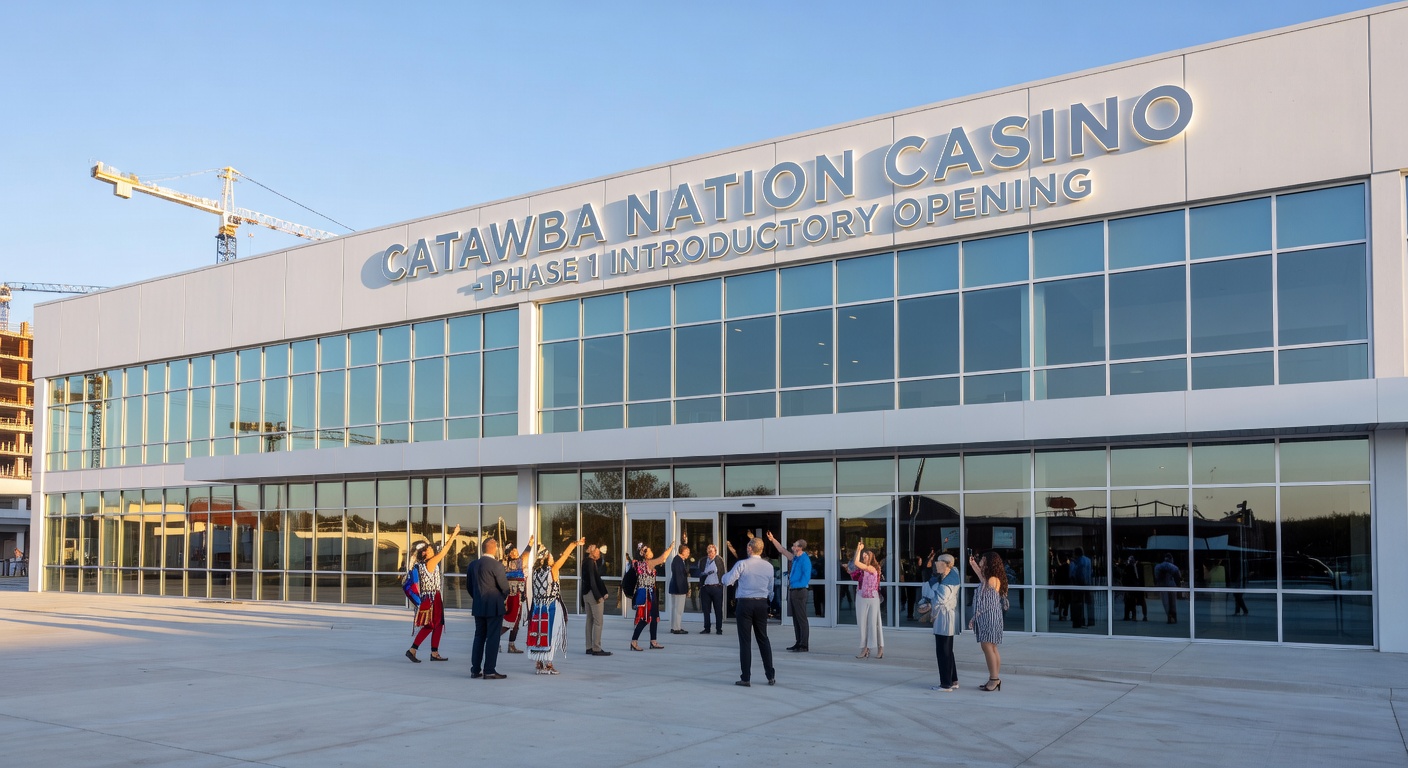
North Battleford, Saskatchewan, stands on the cusp of a major transformation as the Mosquito Grizzly Bear’s Head Lean Man First Nation (MGBHLM) pushes forward with its $100 million casino and resort project, relocating the existing Gold Eagle Casino to a sprawling 67-acre site along Highway 16 West; this ambitious venture includes not just the casino but a brand-new hotel and convention center designed to draw crowds and fuel local growth.
Details emerged clearly during a community meeting on April 14, 2026, where stakeholders gathered to hear updates on the project's steady progress, with construction slated to unfold over the next three years, turning vision into concrete reality bit by bit.
Project Blueprint: From Relocation to Resort Destination
The core of this initiative centers on shifting the Gold Eagle Casino from its current spot to the expansive Highway 16 West location, a move that promises enhanced accessibility for travelers zipping along one of Saskatchewan's key arteries; experts note how such relocations often breathe new life into gaming operations, especially when paired with modern expansions like the planned hotel and convention center, which together aim to create a full-fledged entertainment hub.
Those familiar with First Nations gaming projects in Canada point out that sites like this 67-acre parcel offer room for thoughtful development, allowing for parking, green spaces, and amenities that go beyond mere gambling floors; according to reports from World Casino Directory, the $100 million investment underscores MGBHLM's commitment to long-term viability, blending cultural elements with commercial appeal in a region hungry for tourism dollars.
And here's where it gets interesting: the three-year construction timeline aligns wth seasonal builds common in Saskatchewan's climate, where crews can maximize summer months for heavy lifting while refining interiors through winter, ensuring the resort opens polished and ready to welcome guests.
Community Meeting Spotlights Progress and Momentum
On April 14, 2026, locals and leaders packed the community meeting, absorbing updates that painted a vivid picture of what's ahead; organizers highlighted how the project has cleared key hurdles, from land acquisition to preliminary approvals, setting the stage for shovels in the ground sooner rather than later.
Attendees left with a sense of shared purpose, as presentations detailed timelines, environmental considerations, and partnership roles, fostering buy-in from a town that's seen its share of economic ups and downs; such gatherings prove crucial in First Nations developments, where transparency builds trust and irons out concerns before they snowball.
What's notable is the focus on self-sufficiency, with MGBHLM emphasizing how the resort will generate revenue streams independent of external aid, a strategy that's paid off in similar ventures across the prairies.
Key Players Driving the Vision Forward
At the helm stands MGBHLM Chief Tanya Stone, whose leadership has steered the nation through planning phases, advocating for a project that honors community roots while chasing economic wins; alongside her, FSIN Chief Bobby Cameron brings federation-wide support, underscoring the broader Indigenous backing for initiatives like this.
SIGA CEO Zane Hansen contributes gaming expertise from the Saskatchewan Indian Gaming Authority, an organization that's overseen dozens of successful casino operations province-wide, ensuring regulatory compliance and operational smarts from day one; North Battleford Mayor Kelli Hawtin rounds out the group, representing municipal interests and paving the way for infrastructure ties that benefit everyone involved.
These figures don't just lend names; they embody collaborations that have propelled other prairie projects past the finish line, from funding negotiations to public relations campaigns that hype the destination before doors even open.
Job Creation: A Surge During Builds and Beyond
Construction kicks off a wave of over 350 jobs, pulling in skilled trades from across Saskatchewan and beyond, from welders framing the hotel structure to electricians wiring convention halls; these positions, often union-backed, provide steady paychecks in a region where seasonal work dominates, keeping families rooted and bills paid through the three-year haul.
But the real game-changer hits post-opening, with 400 long-term roles in hospitality, gaming, security, and management, roles that demand training programs already in the works to prioritize local and First Nations hires; observers who've tracked similar builds, like those by the Calgary Chamber of Commerce in nearby provinces, know how these numbers translate to multiplier effects, where every casino job sparks two or three more in suppliers and services.
Turns out, that's where the rubber meets the road for communities like North Battleford, which has leaned on resource sectors but now eyes diversification through tourism-driven employment.
Tourism Projections: 500,000 Visitors and Counting
Planners project 500,000 annual visitors once the resort hums at full tilt, a figure drawn from traffic patterns along Highway 16 and the pull of combined casino-hotel-convention offerings; these guests won't just play slots or blackjack; they'll fill hotel rooms, book events, and dine out, injecting millions into the local economy year-round.
Highway 16's role as a trans-Canada corridor amplifies this, funneling traffic from Alberta oil towns to Manitoba farmlands, while the convention center targets conferences that Saskatchewan's battleford area has long chased; data from provincial tourism boards indicates such draws can boost visitor spends by 30% when gaming pairs with lodging, creating a virtuous cycle of reinvestment.
So, while the Gold Eagle Casino already pulls crowds, this relocation super-sizes the appeal, positioning North Battleford as a must-stop rather than a pass-through.
Environmental and Cultural Safeguards in the Mix
MGBHLM integrates sustainability from the blueprint stage, with plans for energy-efficient builds and native landscaping on the 67 acres, measures that nod to treaty lands while meeting modern green standards; cultural touches, like art installations and event spaces for powwows, ensure the resort reflects Grizzly Bear’s Head Lean Man heritage, drawing Indigenous tourists alongside mainstream ones.
That's the ball in their court now: balancing growth with preservation, a tightrope other First Nations have walked successfully, as seen in Alberta's Enoch Casino expansions where eco-features became selling points.
Economic Self-Sufficiency: The Long Game
At its heart, this project chases economic independence for MGBHLM, channeling casino profits into health, education, and housing programs that member communities rely on; with SIGA's track record, revenues could mirror the $100 million-plus generated annually across Saskatchewan's 13 casinos, a pot that funds more than just dividends.
North Battleford benefits too, as spin-off effects ripple through retail, trucking, and entertainment, lifting tax bases without new burdens; it's not rocket science, but execution matters, and the April 2026 meeting signaled teams are locked in.
Conclusion
The Mosquito Grizzly Bear’s Head Lean Man First Nation's $100 million casino resort project along Highway 16 West marks a pivotal step for North Battleford and Saskatchewan gaming, with the April 14, 2026, community meeting crystallizing momentum toward construction, jobs, and 500,000 yearly visitors; key leaders like Chief Tanya Stone, Bobby Cameron, Zane Hansen, and Mayor Kelli Hawtin steer this ship, promising self-sufficiency and tourism revival in a region ready to level up.
As timelines advance, the 67-acre site holds potential to redefine local landscapes, blending First Nations vision with economic muscle for years to come.