Intertwining Athletic Speculations with Mechanical Entertainment Sequences on Handheld Devices Through Progressive Recognition Programs and Efficient Fund Transfers
Ben Ludwig · May 24, 2026
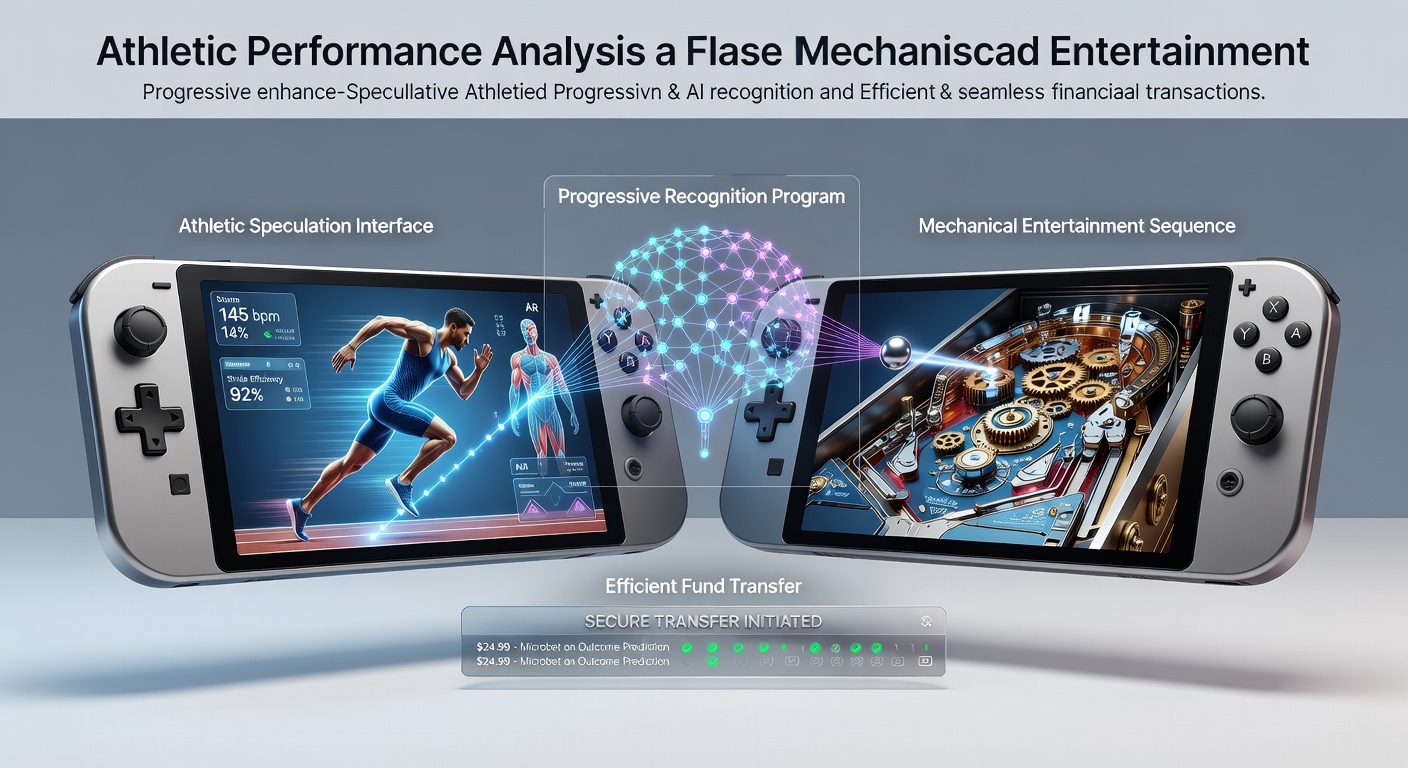
Intertwining Athletic Speculations with Mechanical Entertainment Sequences on Handheld Devices Through Progressive Recognition Programs and Efficient Fund Transfers
Platforms that merge athletic speculations with mechanical entertainment sequences have expanded on handheld devices in recent years, where progressive recognition programs track user activity across both categories while efficient fund transfers support seamless movement between betting markets and reel-based games. Industry data from multiple regions shows operators increasingly combine these elements into single applications that allow participants to shift from predicting game outcomes to engaging with spinning reels without leaving the same interface. Observers note this integration often relies on unified accounts that accumulate points from various activities, which then unlock tiered benefits such as boosted odds or additional spins.
Platform Integration Trends
Developers design these systems so that predictions on sporting events feed directly into loyalty metrics alongside results from mechanical sequences, creating a continuous record of participation that algorithms use to adjust offers in real time. Data indicates that in several regulated markets, such combined features have appeared in applications handling both categories under single licenses, while regulatory filings reveal operators must maintain separate ledgers for each activity type even when the user experience appears unified. Those who've examined user logs report that transitions between athletic and mechanical sections occur within the same session, supported by payment rails that settle wins and losses almost immediately after each event concludes.
Progressive Recognition Programs in Practice
Progressive recognition programs operate by assigning values to different actions, whether placing a wager on an upcoming match or completing a set of reel spins, and then converting those values into status levels that persist across device sessions. Research from academic sources on player behavior shows participants often maintain higher engagement when points earned in one section apply toward rewards in another, such as using sports-related activity to gain access to exclusive mechanical game variants. Figures from industry reports indicate these programs frequently incorporate daily or weekly targets that reset, encouraging repeated logins without requiring separate tracking systems for each game type.
What's interesting is how the same recognition framework handles both short-duration sporting events and longer reel sessions, automatically weighting contributions based on stake size and outcome volatility. In May 2026, several North American operators rolled out updates that synchronized these point systems with live event calendars, allowing users to earn recognition bonuses tied to major athletic competitions while continuing mechanical play during breaks in the schedule. Canadian regulatory summaries note similar adjustments in provincial frameworks around the same period, where operators demonstrated compliance through transparent point-calculation formulas available within the application itself.
Efficient Fund Transfers and Account Management
Efficient fund transfers rely on integrated wallets that accept deposits from multiple sources and allocate portions to either athletic or mechanical balances according to user selection, with settlement times measured in seconds rather than minutes for most transactions. Government statistics from Australian oversight bodies reveal that applications incorporating instant transfer options between game categories report lower rates of abandoned sessions compared with those requiring manual balance shifts. Observers note that these systems must still enforce jurisdictional limits on transfer frequency and amount, yet the underlying technology allows the restrictions to function without interrupting the overall user flow.

One study revealed that encryption standards and multi-factor authentication remain consistent across both activity types, reducing the technical overhead for operators who maintain separate compliance records. Data from the European Gaming and Betting Association indicates that regions permitting combined platforms have seen measurable increases in average session length when fund movement occurs without additional verification steps beyond the initial login.
Regulatory Context Across Regions
Regulatory bodies in different jurisdictions apply distinct rules to the combined offering, requiring clear separation of athletic speculation records from mechanical entertainment logs even when recognition programs treat both as equivalent inputs. According to American Gaming Association summaries, operators must display distinct terms for each category within the same application, while still permitting unified loyalty tracking. Similar requirements appear in filings from other markets, where authorities emphasize that point accumulation cannot influence game outcomes or create unfair advantages in either athletic or mechanical sections.
Yet the technical architecture allows these mandates to coexist with fluid user experiences, as backend systems route activity data to appropriate compliance modules while the front-end interface presents a single navigation structure. Researchers have documented that such dual-layer designs emerged more widely after 2024, coinciding with broader adoption of real-time payment networks that support cross-category transfers under regulatory caps.
Technical Implementation Details
Implementation typically involves application programming interfaces that connect sports data feeds with reel randomization engines, while a central recognition engine monitors cumulative activity regardless of source. Those who've analyzed code repositories for similar platforms describe modular designs where payment processing sits as an independent service accessible from any section, ensuring that fund transfers maintain the same security protocols whether initiated from an athletic prediction screen or a mechanical entertainment sequence. In practice, users encounter consistent visual cues for balance updates and point accruals, which reduces cognitive load when switching between the two entertainment forms.
Conclusion
Current implementations demonstrate how progressive recognition programs and efficient fund transfers support the coexistence of athletic speculations and mechanical entertainment sequences within single handheld applications. Records from regulatory submissions across multiple continents show continued refinement of these systems, with operators updating recognition algorithms and transfer speeds in response to both user patterns and compliance requirements. The structure allows each category to retain its distinct operational rules while sharing common infrastructure for tracking and payments.