Decoding Layered Incentive Flows That Link Funding Selections to Elevated Access Tiers Within Wireless Interfaces Uniting Automated Reels, Strategic Tables, and Prediction Markets
Willa Vogel · Jul 7, 2026
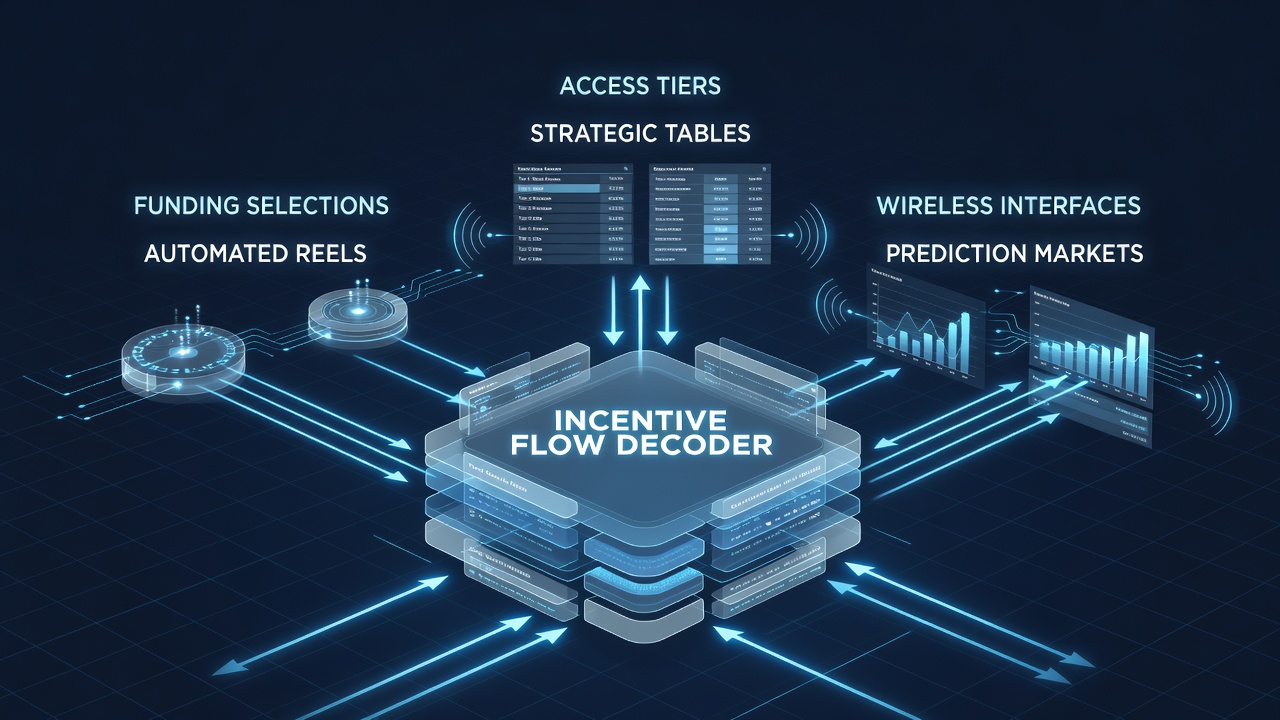
Decoding Layered Incentive Flows That Link Funding Selections to Elevated Access Tiers Within Wireless Interfaces Uniting Automated Reels, Strategic Tables, and Prediction Markets
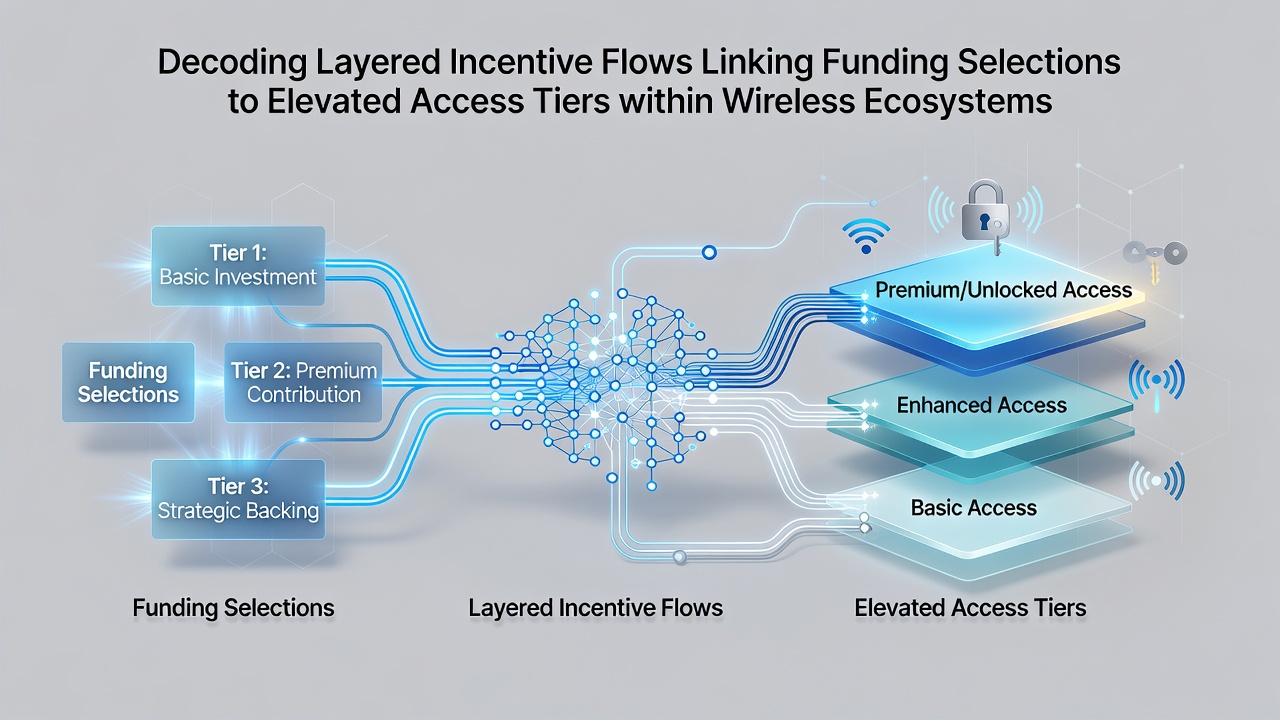
Wireless platforms that combine automated reels with strategic tables and prediction markets have developed intricate systems where initial funding selections determine progression through access tiers, and these flows operate through points accumulation that unlock higher recognition levels across all three verticals at once. Data from integrated operators shows deposit patterns directly influence the speed at which users reach premium features such as reduced wagering requirements on reel bonuses, priority seating at live tables, and enhanced odds visibility in prediction markets.
Mechanics of Deposit-Driven Tier Progression
Funding selections trigger immediate point allocations that feed into centralized ledgers, and these ledgers track activity across reels, tables, and markets without requiring separate tracking systems for each category. Observers note that a single deposit can generate base points plus category-specific multipliers when the same funds support spins on automated sequences, wagers at strategic tables, and entries into prediction events. Research indicates the structure encourages cross-vertical participation because points earned in one area contribute to tier advancement that benefits the others simultaneously.
July 2026 figures reveal accelerated tier climbs among users who distribute deposits across multiple game types rather than concentrating on single verticals, and platform analytics confirm this pattern holds across major markets in North America and Europe. Those who've examined the data find that users reaching mid-tier status within 30 days of first deposit gain access to expedited withdrawals that apply uniformly whether the balance originates from reel payouts, table wins, or market settlements.
Cross-Vertical Recognition Structures
Layered incentives operate through shared loyalty currencies that convert reel spin volume, table hand counts, and prediction market stakes into unified status points, and this unification allows a user focused on sports forecasts to still advance via table game activity without switching platforms. Experts have observed that tier thresholds incorporate minimum activity requirements in at least two of the three areas to prevent siloed engagement, which creates natural pathways between mechanical entertainment sequences and event-based wagers.
One documented case involved a regional operator that adjusted its deposit-to-points ratio in early 2026, resulting in a measurable uptick in users completing table game milestones to unlock prediction market perks. Studies conducted by academic researchers at institutions tracking digital gambling patterns show these adjustments produce measurable shifts in funding allocation across user cohorts within weeks of implementation.
Transaction Pathways and Status Elevation
Wireless interfaces streamline the movement of funds between deposit methods and tiered benefits by embedding recognition structures directly into the transaction layer, and this integration reduces friction when users move winnings from automated reels into table stakes or prediction market positions. Evidence suggests platforms that display real-time tier progress during checkout see higher completion rates for deposits that qualify for accelerated status gains.
According to reports from the American Gaming Association, integrated mobile ecosystems recorded consistent growth in multi-vertical sessions throughout the first half of 2026, with tiered users demonstrating longer session durations when access to elevated features spanned reels, tables, and markets. Platform operators in Australia and Canada have implemented similar recognition frameworks, confirming the model scales across regulatory environments.
Recognition Programs and Funding Efficiency
Progressive membership dynamics shape how efficiently deposits convert into elevated access, and operators have refined algorithms that weight recent funding activity more heavily when calculating tier eligibility. Those who've studied user behavior patterns note that users who maintain consistent deposit rhythms across all three verticals reach top tiers faster than those who focus deposits on one category alone.
Data compiled through industry tracking services shows that streamlined transfer protocols between game types reduce the steps needed to apply tier benefits, which in turn supports continued engagement. Researchers at Canadian universities examining mobile gambling interfaces found that users who receive instant tier updates after deposits exhibit higher cross-vertical activity rates compared with those on systems with delayed recognition.
Conclusion
The architecture linking funding selections to tier elevation in unified wireless platforms continues to evolve through refinements in point allocation and cross-vertical recognition, and current implementations demonstrate that integrated systems can maintain consistent progression mechanics across automated reels, strategic tables, and prediction markets. Future adjustments will likely focus on further optimizing how deposit timing and distribution influence access speed without altering core structural relationships already established in operational environments.