Charting Recognition Point Pathways from Funding Entries to Elevated Status in Hybrid Platforms Merging Reels, Tables, Live Interactions, and Sports Forecasts
Vera Flores · Jul 17, 2026
Charting Recognition Point Pathways from Funding Entries to Elevated Status in Hybrid Platforms Merging Reels, Tables, Live Interactions, and Sports Forecasts
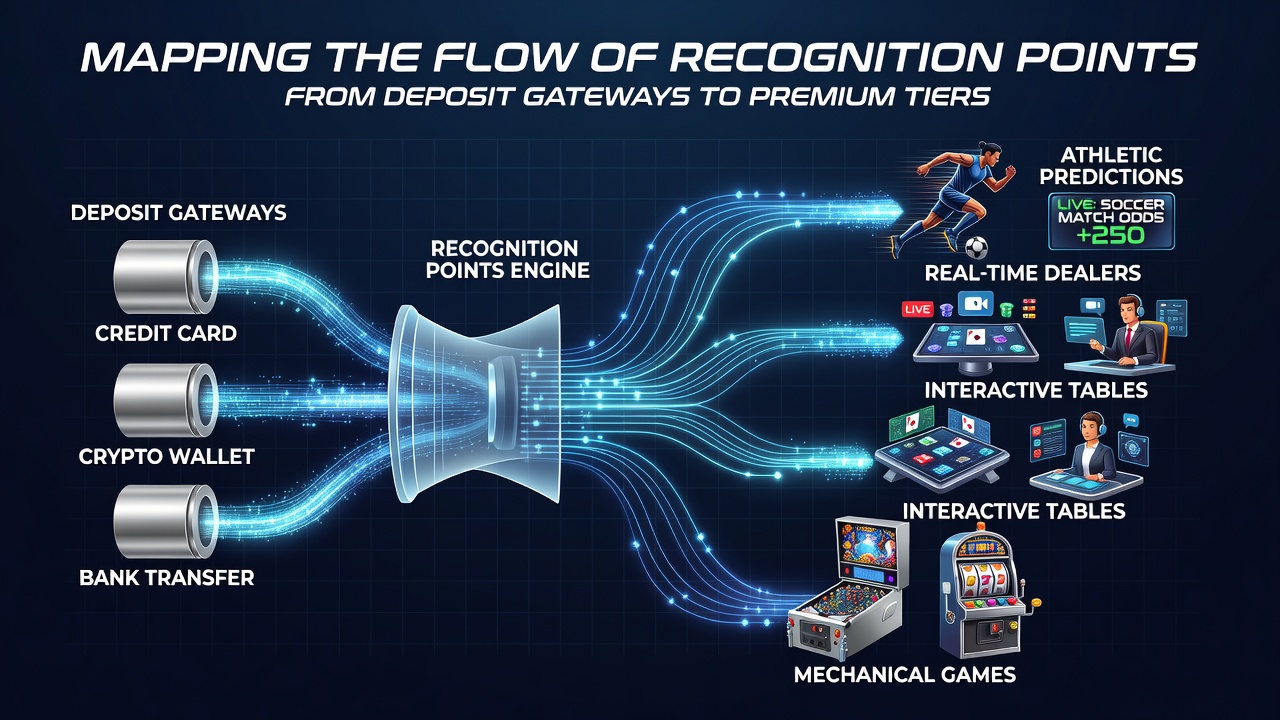
Platforms that combine mechanical reel systems, interactive table interfaces, real-time dealer broadcasts, and athletic prediction modules rely on structured recognition point systems to connect initial funding actions with higher access privileges, and observers note these flows follow consistent patterns across multiple operators. Deposits enter through designated gateways such as bank transfers, digital wallets, and card processors, each triggering point allocations based on transaction volume and payment method categories.
Deposit Gateways Initiate Point Allocation
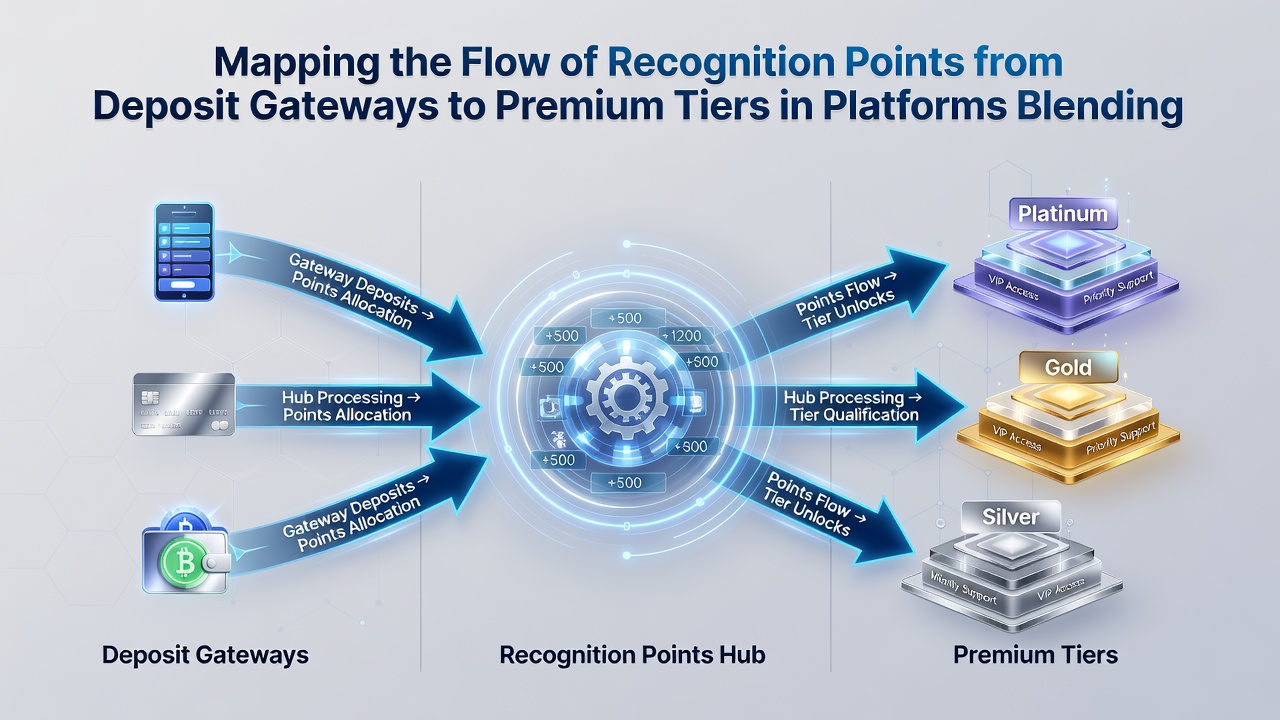
Funding sources activate immediate point credits once verification completes, with data from regulatory filings showing that electronic wallet deposits often generate points at higher rates than traditional cards in certain jurisdictions. Recognition points accumulate in centralized ledgers that track activity across all integrated modules, allowing seamless transfer between reel sequences, table simulations, dealer sessions, and forecast markets without separate accounts for each category. Operators maintain these ledgers through automated protocols that update balances in real time, and figures from industry reports reveal average point yields per dollar deposited range between 1.5 and 3.0 depending on player history and promotion cycles.
July 2026 records from platform analytics indicated a measurable uptick in cross-module point transfers following deposit events, particularly when users moved funds into combined reel and sports forecast environments. These patterns emerge because gateway systems apply multipliers during targeted periods, creating accelerated accumulation that feeds directly into tier qualification metrics.
Progression Mechanics Link Points to Premium Levels
Tier advancement depends on cumulative point thresholds that reset on fixed schedules, typically monthly or quarterly, and researchers at gaming analytics firms have documented how points convert into status markers such as bronze, silver, gold, and platinum designations. Once thresholds are met, users gain access to enhanced withdrawal limits, personalized dealer tables, and priority entry into athletic prediction events with adjusted odds structures. The conversion process operates through algorithmic scoring that weighs both deposit frequency and total volume, while excluding certain promotional bonuses from count toward elite tiers in many systems.
Systems integrate mechanical game outputs with live dealer interactions by assigning uniform point values per session length, which simplifies tracking across device types. Athletic prediction modules contribute additional points based on wager settlement rather than entry, creating a secondary flow that supplements deposit-driven accumulation and allows faster tier climbs for active forecasters.
Cross-Module Integration Supports Unified Tracking
Unified platforms synchronize point ledgers so activity in one module advances status applicable to all others, and this design reduces fragmentation that previously required separate loyalty programs for slots versus sports forecasts. According to data compiled by the Nevada Gaming Control Board, integrated systems reported higher retention rates among users who distributed activity across reel mechanics, table strategies, dealer streams, and prediction markets. Point redemptions include direct tier perks such as fee waivers on transfers and exclusive event access, with conversion rates documented in operator disclosures.
Payment speed influences point velocity because faster gateway approvals trigger earlier credit postings, and studies from the Australian Gambling Research Centre have shown that platforms optimizing deposit-to-point latency see increased engagement in live dealer and interactive table segments. Recognition structures therefore function as connective tissue between funding actions and status elevation, maintaining consistent rules regardless of whether users focus on automated sequences or real-time athletic outcomes.
Conclusion
The mapping of recognition points from deposit gateways through game modules to premium tiers reveals standardized protocols that prioritize volume tracking and cross-activity compatibility. These mechanisms operate under regulatory oversight in multiple regions, with updates to allocation rates appearing in quarterly filings and performance summaries. Continued observation of point flow patterns provides insight into how operators balance incentive structures across mechanical, interactive, broadcast, and forecast components within single applications.